A very large Pacific signal, with a forecast still attached
The World Meteorological Organization’s October 21 statement says the current El Niño could reach unprecedented strength and peak toward the end of 2026. That is a consequential climate story: an unusually strong ocean-atmosphere event can influence weather across distant regions. It is also a projection about a developing event. The statement does not announce a future measurement as already achieved, and its seasonal outlook cannot identify the day of a Vancouver snowstorm.

What NOAA’s numbers actually describe
NOAA’s Climate Prediction Center reported on October 8 that El Niño was continuing to strengthen. It favoured a strong-to-very-strong event through January–March 2027. Its historic-strength probabilities refer to a three-month Relative Oceanic Niño Index, rather than the likelihood of snow in any Canadian city. The distinction matters because the same discussion contains several ocean regions, observations and forecast windows. Taking the largest number from one paragraph and attaching it to another region would create a different claim. The Pacific signal is striking enough without that shortcut.
Why a warmer British Columbia winter can still be a complicated winter
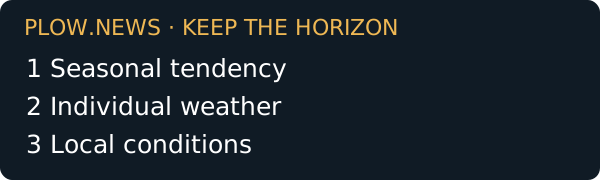
ClimateData.ca’s August 21 Canadian explanation points toward warmer winter averages in British Columbia. That is useful regional context, but an average does not describe every day within a season. A comparatively warm season and a particular cold episode are different scales of information. Neither an ice-free walkway nor a guaranteed mountain snowfall follows from the seasonal tendency. Those are unresolved local outcomes. A headline that turns a warm seasonal average into “winter cancelled” is adding certainty that the underlying explanation does not provide.
The nickname does not settle the local story
Godzilla is the editorial hook, not an official category in the outlooks reviewed here. PlowWow™’s playful versus-Godzilla angle is a way into the story; there is no measured contest to declare a winner. Greater Vancouver readers encounter the same Pacific news from very different settings: a coastal commute, a hillside street, a mountain trip or an early-morning opening. These examples explain why people care. They do not supply four local forecasts. A forecast horizon should remain attached to every claim as the story travels between those audiences.
Watch the next dated update, not a recycled headline
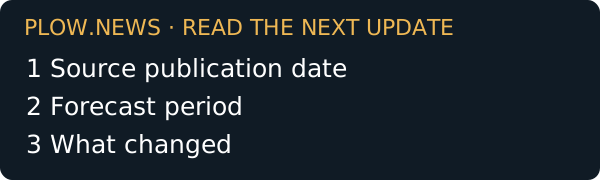
The next useful development will be new observations and updated official outlooks. Record both the publication date and the period being forecast. A fresh headline can still refer to an older analysis; a strong index in one tropical Pacific region does not automatically establish the same value in another. For a particular approaching weather event, use current local forecasts and warnings. For the seasonal story, follow the primary outlooks and how their confidence changes. This is the difference between reporting a developing event and repeatedly presenting a dramatic nickname as new evidence.
Where this report draws the line
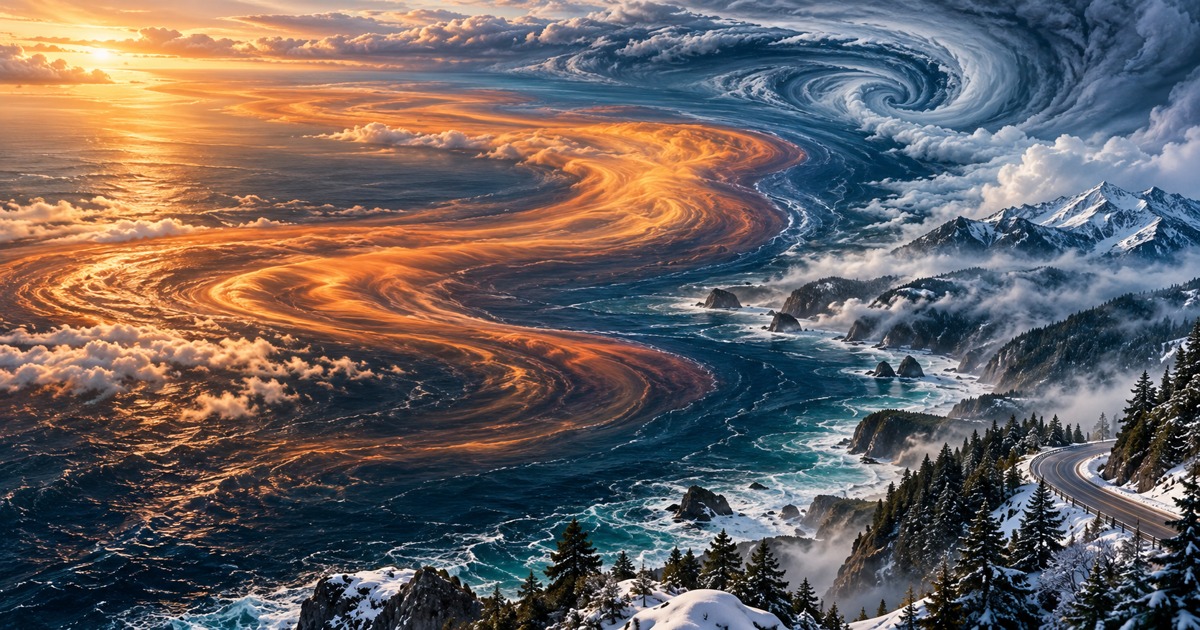
This original explainer uses the dated WMO, NOAA and Canadian sources linked below. CBC’s October 27 Godzilla headline was identified, but its full article was not retrieved, so no detailed assertion here is attributed to unread CBC reporting. The illustration is an imagined editorial scene, not a satellite image or forecast map. No local snowfall total, business result, completed snow service or provider availability has been established by these sources. The news is the potentially exceptional Pacific event, with its uncertainty intact.
WMO: El Niño and humanitarian action, October 21, 2026 ↗
NOAA CPC: October 8 ENSO diagnostic discussion ↗
ClimateData.ca: Canadian 2026–27 developing El Niño outlook, August 21 ↗
Source reviewed Oct 29, 2026. Primary outlooks reviewed October 29. Dates and forecast horizons matter: possible future peak strength is not an observed future outcome. CBC’s October 27 headline was identified, but its full official article was not retrieved; no detailed claim here is attributed to that unread text.